
Solution #1: Sustainable pollination

Better understand the factors influencing flowering and fruit set
Adjust your crop management strategies based on reliable data
Build a measurable, trackable and evidence-based biodiversity strategy .
Increase natural pollinator populations to optimise crop yields
Mapping the environmental quality of your fields
Long-term monitoring of pollinator activity
Cross-analysis of climate, crop management practices and flowering
Actionable indicators at field and agricultural sector level

Polysium provides a range of tools to measure and manage pollination across your fields.

ASSESSING YOUR NEEDS

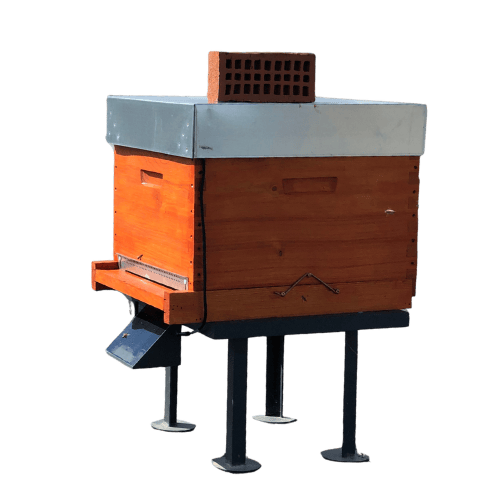
  • Beehives installed directly within flowering fields or production areas,
  • Integrated sensors (weight, temperature and humidity),
  • Continuous data collection under real farming conditions.

DATA COLLECTION

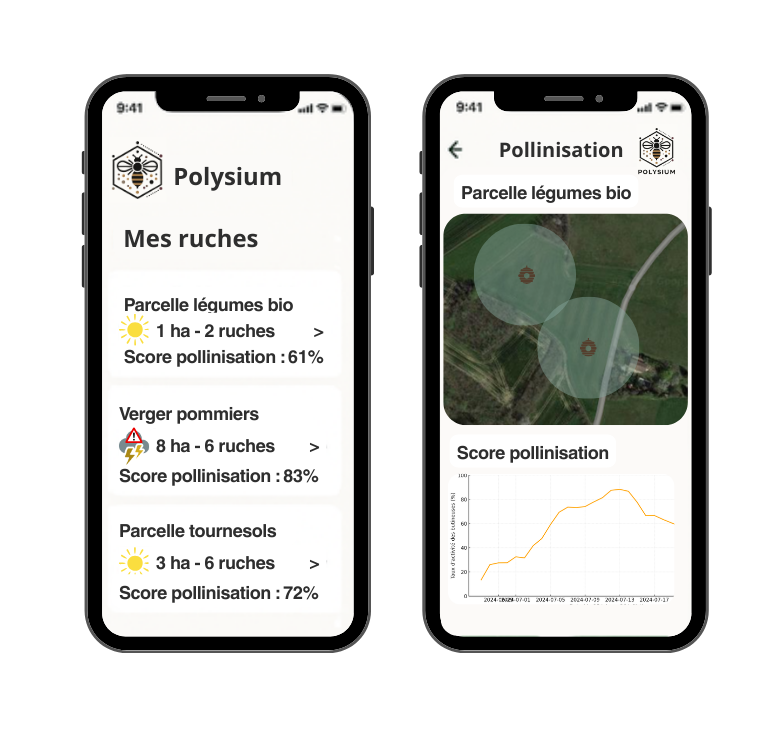
  • Clear visualisation of indicators by field or production area
  • Real-time scoring of pollinator activity across your fields
  • Season-to-season comparison using historical data

DATA ANALYSIS

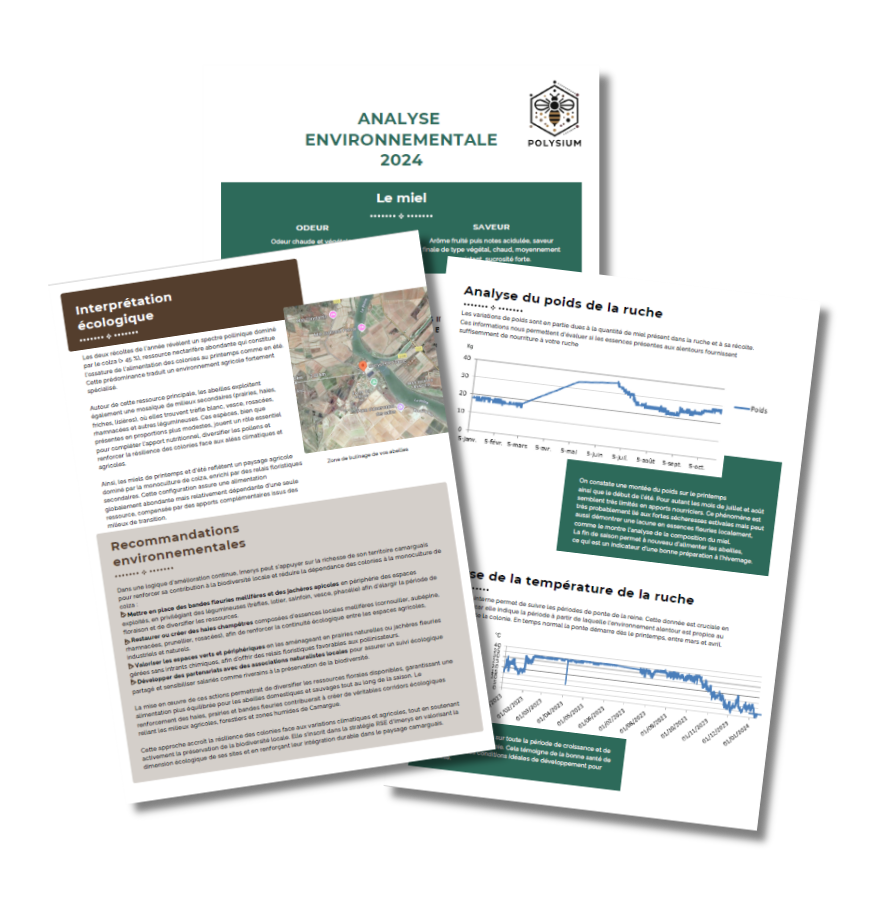
  • Data summary for each growing season
  • Identification of periods of pollinator shortage
  • Actionable indicators to support crop management strategies, sector-wide projects, and biodiversity and CSR initiatives

IMPLEMENTING EFFECTIVE POLLINATION

  • Implementation of supplementary pollination tailored to each crop
  • Increasing floral resources around priority fields
  • Adjustment of crop management practices during flowering
  • Improvement of pollinator-friendly habitats
  • Long-term monitoring of the impact of implemented actions

Managing pollination over the long term
provides reliable insights to support
credible biodiversity commitments.