
Pollination & agriculture

VARIABLE YIELDS

Significant yield variations despite similar crop management practices.
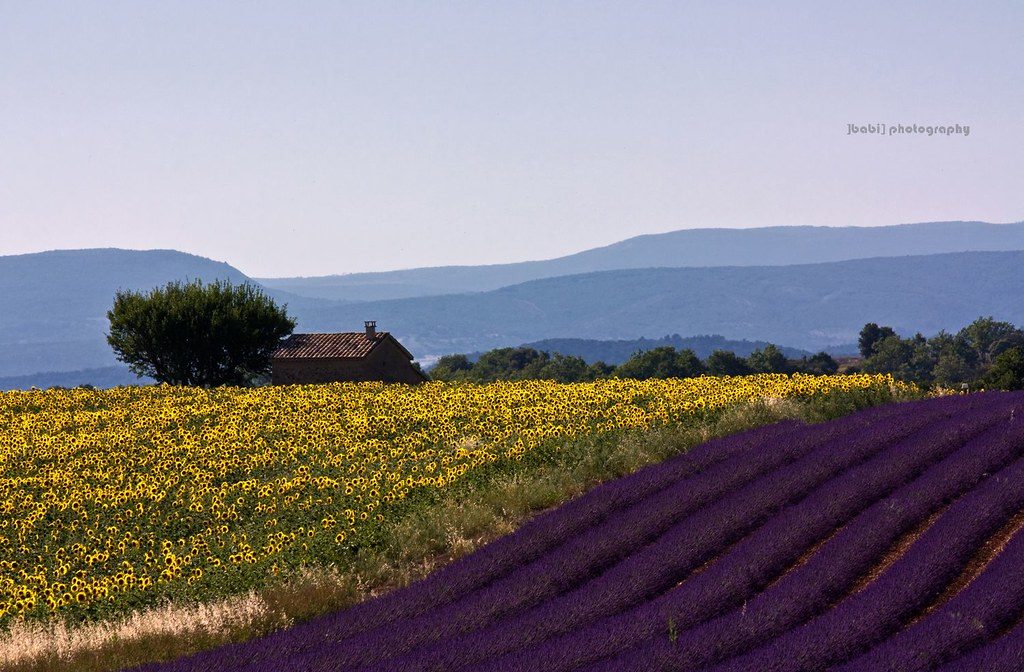
HIGH DOWNGRADING RATES

Irregular fruit sizes, unusual shapesor inconsistent grading at harvest.
field, tree, tractor tracks, meadow, dirt road, fall, nature, landscape

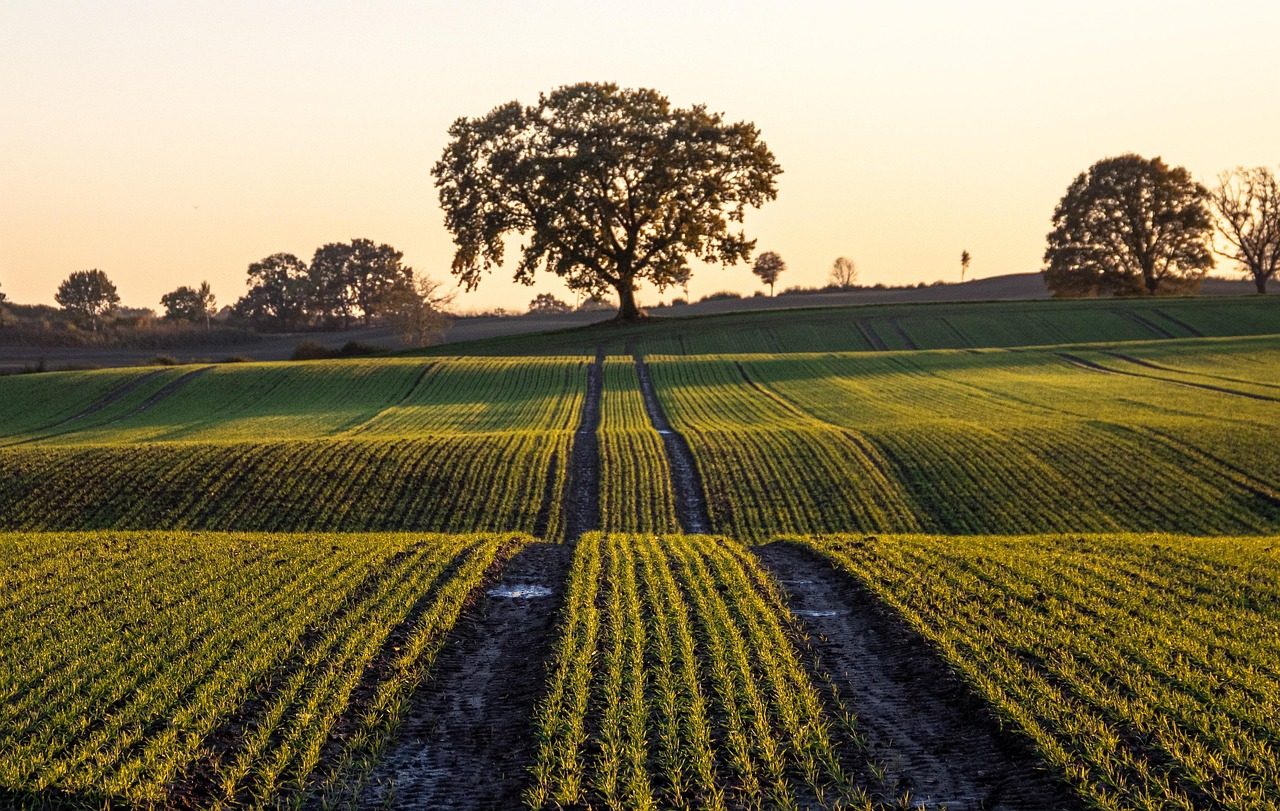
INCREASING DEPENDENCE ON EXTERNAL CONDITIONS

Crops are increasingly vulnerable to pollinator shortages during flowering.
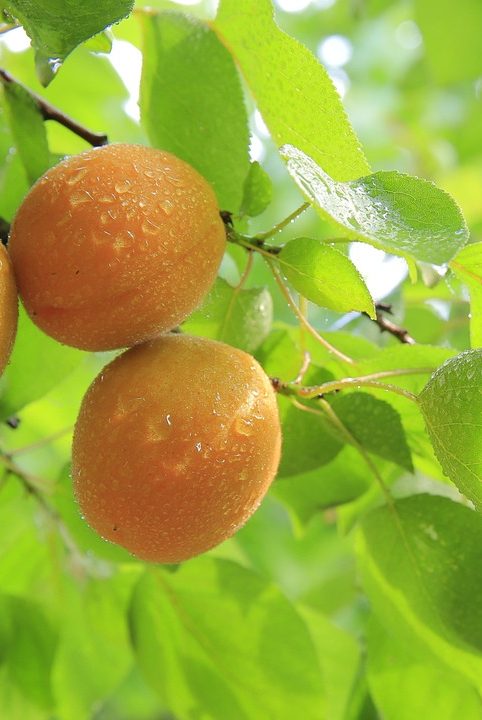
peach, yellow peach, fruit, after the rain, drops of water, yellow, apricot, yellow apricot, peach, peach, apricot, apricot, apricot, apricot, apricot

Fruit crops

(apples, pears, cherries, almonds...)

peach, yellow peach, fruit, after the rain, drops of water, yellow, apricot, yellow apricot, peach, peach, apricot, apricot, apricot, apricot, apricot

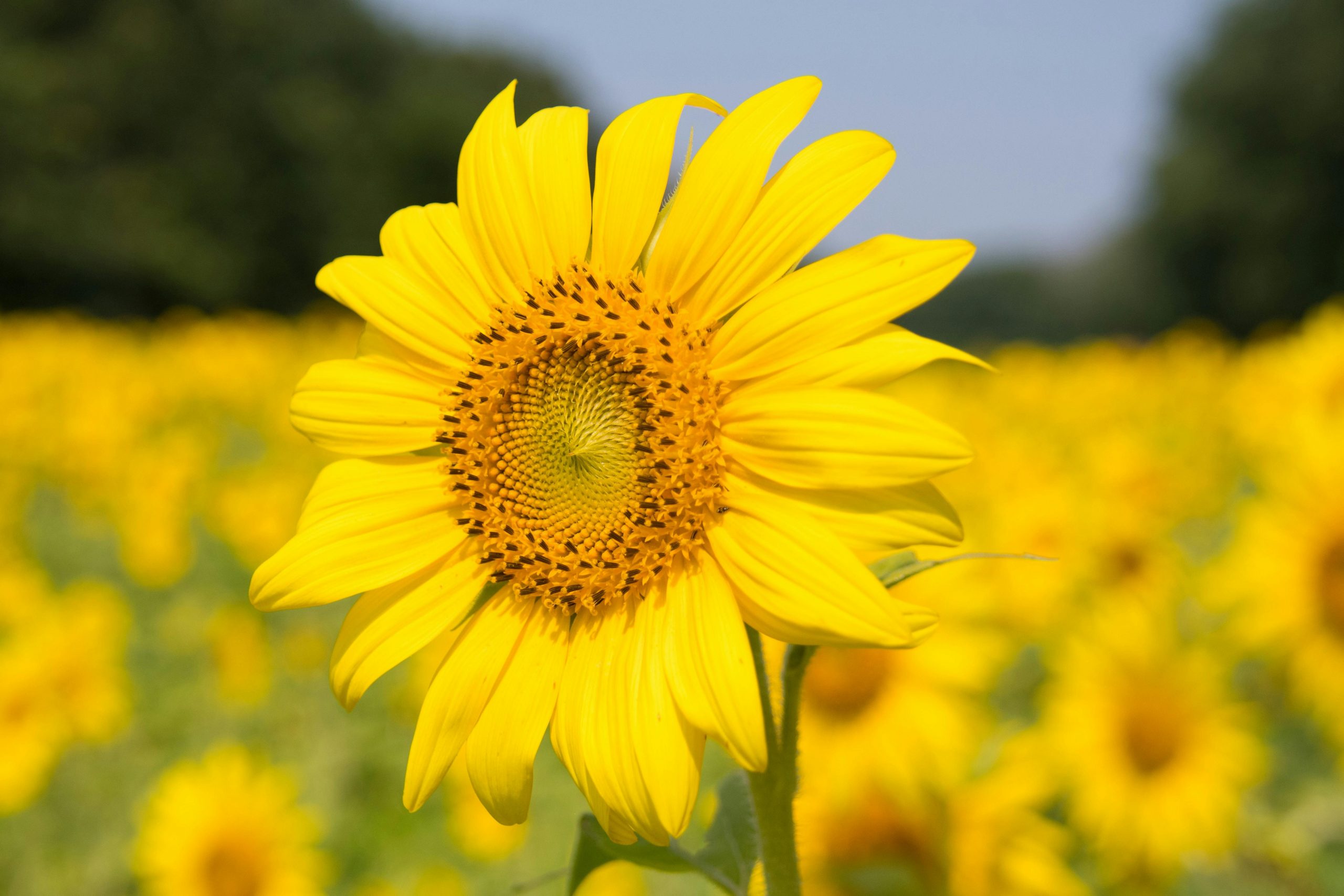
Oilseed crops

(rapeseed, sunflower...)

peach, yellow peach, fruit, after the rain, drops of water, yellow, apricot, yellow apricot, peach, peach, apricot, apricot, apricot, apricot, apricot

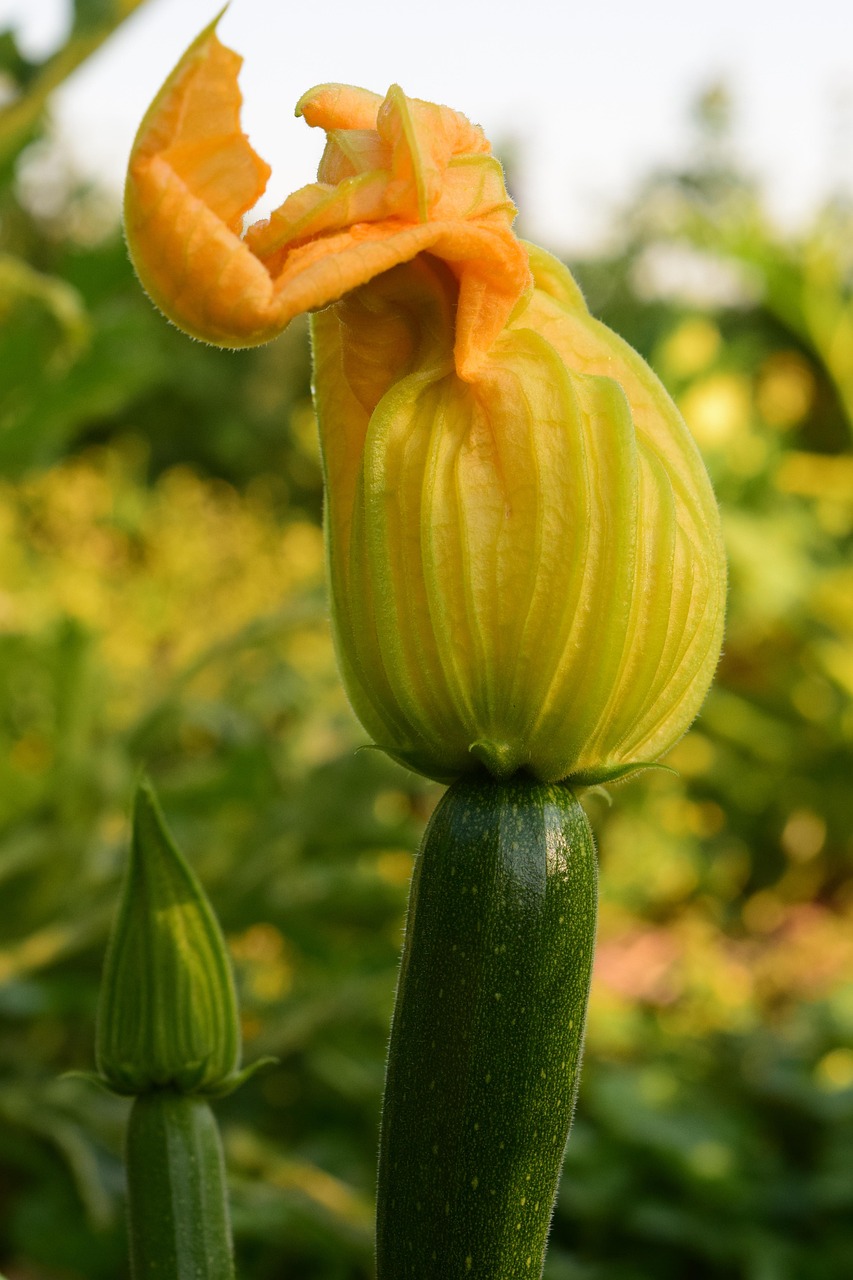
Vegetable crops

(courgettes, melons, cucumbers, seed crops...)

peach, yellow peach, fruit, after the rain, drops of water, yellow, apricot, yellow apricot, peach, peach, apricot, apricot, apricot, apricot, apricot

High-value crops

requiring consistent pollination

POLLINATION & CROP YIELDS

From passive pollination
to managed pollination

Monitoring pollination makes it possible to link actual pollinator activity with results observed on farms.
Yet unlike irrigation, fertilisation or crop protection, pollination is rarely tracked using operational indicators at field level.
As a result, decisions are still largely based on subjective observations.
Integrating pollination into a data-driven approach turns an uncontrolled factor into a real driver of agricultural performance and profitability.

Optimised yields and quality

With consistent crop management practices, reliable pollination contributes to more stable yields and greater consistency in crop size and quality. Monitoring pollination helps explain variations in yield and quality.

Reduced uncertainty

Monitoring pollination helps identify key periods of activity, potential risks during fruit set, and fields or areas with insufficient pollinator coverage. This makes it easier to anticipate weather-related and ecosystem risks.

Towards natural, sustainable pollination

Monitoring pollination goes beyond addressing an observed short-term deficit. It also helps assess a field’s capacity to support natural pollinators and identify ways to improve the conditions for natural pollination around crops over the long term. This contributes to more resilient production systems that rely less on corrective measures and are better adapted to changing climate and environmental conditions.

Measure to better understand pollination

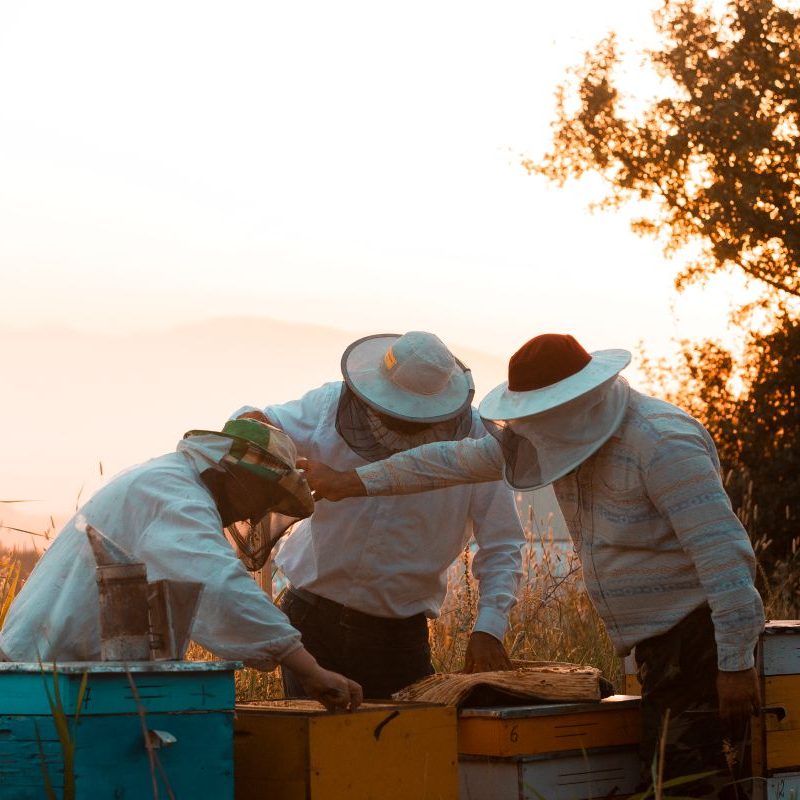
Polysium solutions monitor pollinator activity directly in the field, using data collected from connected beehives and their environment.